annie
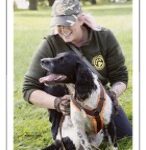
annie My name is Matthew Bottomley and I am Head of Breeding Operations at Guide Dogs based at our National Centre near Leamington Spa. We have the largest breeding programme of working dogs in the world, and we are rightly proud of the work we do to supply happy and healthy guide dogs to people with sight loss.
We are fortunate to have an army of willing volunteers that support us throughout every aspect of our work, including wonderful volunteer carers who look after our breeding ‘mums’ and ‘dads’ in their own homes. Litters are born and cared for in a loving family home, so they can get used all the normal household noises and smells and meet different people.
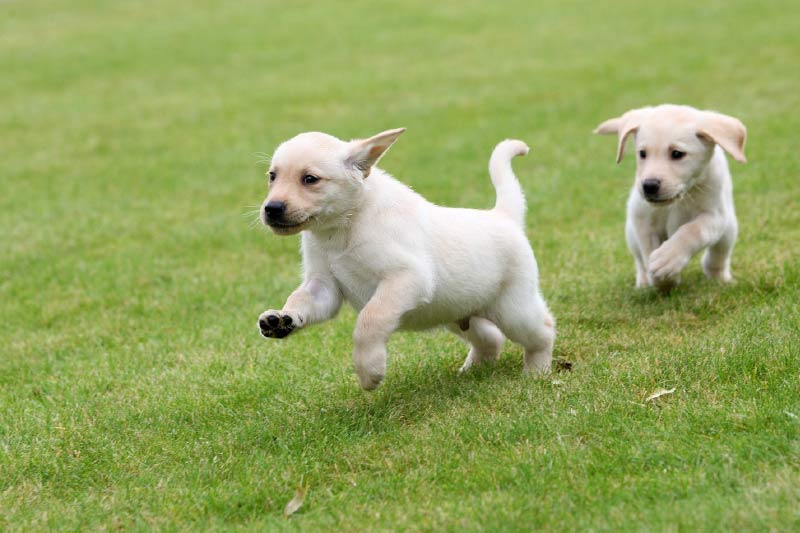
When each individual puppy is ready to move on, they transfer to a volunteer Puppy Raiser, who will help them develop through to about 14 months of age. At this point they begin their formal guide dog training with our expert and devoted Guide Dog staff members, which takes about six months.
Each guide dog is carefully matched to a person with sight loss, taking into account all sorts of factors, to make each partnership well-suited and hopefully long-lasting.
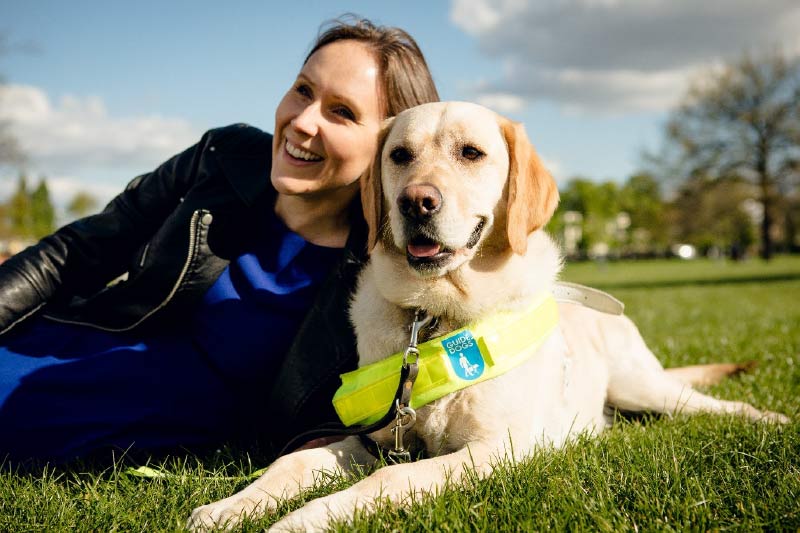
Our breeding programme is an essential part of every puppy’s journey to becoming a qualified guide dog. Our aim is not only to produce the number of guide dogs we need, but to focus on their health and wellbeing. Hereditary diseases are many and varied, and we do everything we can to limit or eradicate their impact on our fantastic dogs.
As part of our selection and management processes, we use various genetic tests for our different breeds. However, many hereditary diseases are complex in nature and will have an environmental component to them, so we effectively need to risk-manage our population. For example, hip dysplasia and elbow dysplasia are both complex and genetic testing is not available. In these cases, we ensure all our breeding dogs are x-rayed and formally scored to indicate their suitability to breed from. Through this screening of our dogs, the average hip scores of our breeding stock have decreased and compare favourably with the Kennel Club median and the incidence of elbow dysplasia remains very low and significantly lower than the external dog population.
The same applies to various other diseases related to eyes, heart, and skin, for example, where we will make assessments and judgements based on expert opinion and evaluation of risk based on population-wide data.
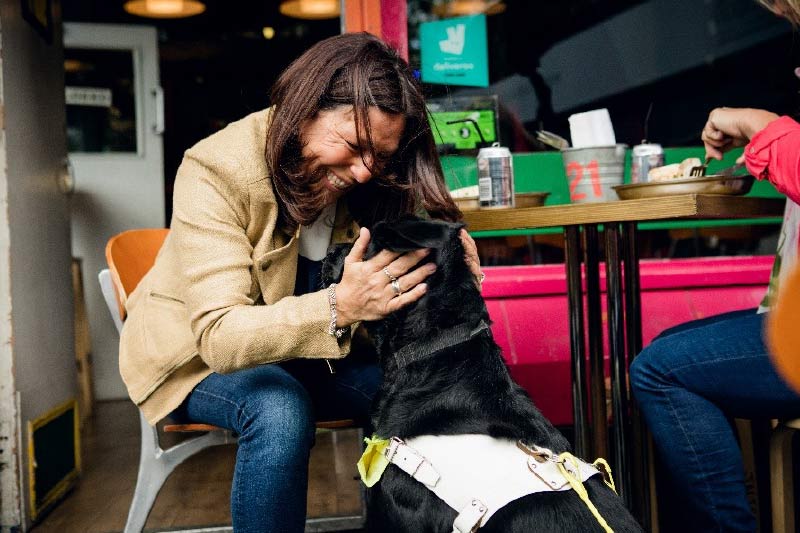
It may not be possible to breed the perfect dog, as is similar in the human world (although I know some humans who believe they are!) but with help from our vets and experts in the field, we can strive to do everything we can to minimise the risk of disease.
Best Wishes
Matthew