annie
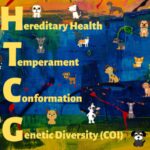
annie How do we ensure only healthy dogs with good temperament, good conformation and sustainable genetic diversity are bred from?
Things can’t continue as they are, we need to have some serious discussions about the best way forward. These are our thoughts we’d love to hear yours.
Thousands of unsuitable dogs are being bred either through AI or at the hands of unscrupulous breeders producing puppies who are not only suffering and in pain but are wholly unsuitable as family pets.
Closed stud books, and focus on looks over health, has reduced genetic diversity within many breeds to such an extent that hereditary disease is rife, pain and suffering increasing and both lifespan, and litter sizes, are being significantly reduced.
The team at What’s in my Genes? feel that a “fit to breed” certificate issued to ALL breeding dogs is the way 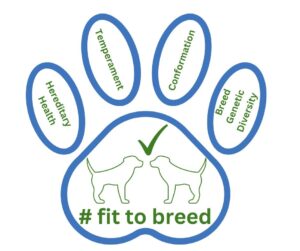 forward. Together with the instigation of breeding programs carefully planned with the science of health and temperament as the basis rather than looks.
Hereditary Health – Breeders would ensure all breed relevant hereditary health tests are completed as per kennel club assured breeder required and recommended health list to be updated in time.
Temperament – a network of behaviourist up and down the country would be available for breeders to take their dog for a temperament assessment
Conformation – Breeders Vets would assess conformation
Breed Genetic Diversity: – average inbreeding percentages for each breed completed by researchers for Veterinary reference.A traffic light system for breed genetic diversity (rather than relying on UK Kennel Club Pedigree COI information) should be instigated so puppy buyers can make an informed choice when choosing the breed of their puppy. Green being adequate breed genetic diversity, through Orange breed bordering on unacceptable levels of genetic diversity to Red which would be breeds whose genetic diversity is dangerously low.
Because of closed stud books and intensive breeding many breeds have an inbreeding average of 25% and over which is the equivalent of mating full siblings. This extremely close mating reduces the diversity of genes within a breed population and increases many health risks such as hereditary diseases, smaller litters and reduced lifespan.
The “fit to breed” certificate could be issued by a Defra Appointed vet after considering the hereditary health test results, the temperament and conformation assessments and overall breed genetic diversity.
When a suitable mate has been found the COI of the pairing can be worked out and if satisfactory signed off by a vet as a healthy match which will hopefully produce a healthy litter with a reduced risk of inheriting genetic disorders.
This would take the pressure of Local Authority inspectors leaving them to concentrate on premises inspections all they would need to do is a visual inspection of the dogs and ensure they have a “fit to breed” certificate.
Puppy buyers could use the “fit to breed” certificate (together with a licensing number) as a kite mark of excellence knowing they were buying from a responsible breeder who puts health and welfare first.
You can find out more about What’s in my Genes? Paws Against ED and our #dontbreedblind campaign all of which are campaigning for change in the legislation, and raising awareness of hereditary diseases in dogs, on our website: https://pawsagainst.co.uk
Facebook: @Whatsinmygenes. @PawsagainstED
Twitter: @BrixhamDolphins
Instagram: bernesebutton
You can contact us via facebook or twitter or email: PawsAgainstED@talktalk.net
To find out which hereditary health tests are applicable to your breed: https://www.dbrg.uk/breed-health-information.html
Excellent blog from Carol Beuchat explaining about inbreeding: https://www.instituteofcaninebiology.org/blog/do-you-know-what-you-need-to-save-your-breed